In the world of interior design, we often obsess over the big-ticket items: the marble waterfall island, the statement lighting, the wide-plank oak flooring. But ask any top designer what truly separates a custom home from a cookie-cutter build, and they’ll point to the details. Specifically, they’ll point to the hardware.
If you’re reading this, you’re likely past the basic “knobs vs. pulls” debate. You understand that modern pull handles are the jewelry of your home—the finishing touch that can either scream “builder-grade” or whisper “curated design.” In 2026, the kitchen and bathroom have transitioned from purely utilitarian spaces into sensory sanctuaries . The handles we choose are no longer an afterthought; they are the primary touchpoint, the handshake between human and home.
However, the market is flooded with options. Stainless steel, brass, leather-wrapped, 3-inch, 12-inch, matte black, unlacquered brass—the choices are endless and overwhelming. This guide isn’t just a list of products; it is a strategic deep dive into selecting, specifying, and installing modern pull handles that add resale value, improve ergonomics, and act as the exclamation point on your interior design story. We will explore why 2026 is the year of the “anti-trend,” how to balance tactile warmth with industrial durability, and exactly how to measure so you never have to fill unwanted pilot holes again.
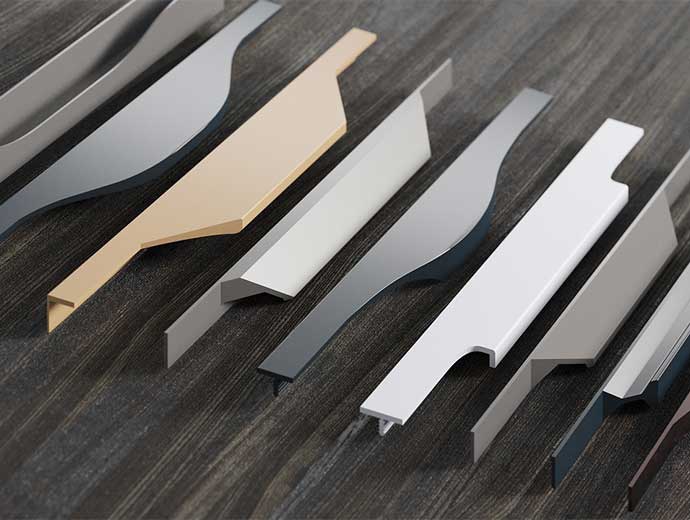
It is easy to underestimate the impact of a pull handle. After all, its primary function is mechanical: to open a door. But in the context of a room, a pull handle does far more. It is the point of physical contact between human and home, the most touched element in your kitchen or bathroom.
Think of your pull handles as a handshake. Is it cold and uninviting? Or warm and confident? When you walk into a kitchen, you might run your hand along the island. The handle is the interface. A cheap, hollow zinc handle with a flaking chrome finish feels insubstantial and diminishes the perceived value of the expensive cabinetry it hangs on. Conversely, a solid brass handle with a weighty feel and a silky finish elevates the entire room. It tells anyone who touches it that this space was designed with care and quality in mind.
In modern design, where minimalism often reigns, finding ways to add personality without clutter is key. Artwork requires wall space. Accessories can create visual noise. But hardware occupies the plane of the cabinetry itself. A well-chosen modern pull handle acts as a sculptural element. It breaks up long stretches of slab-front cabinetry, adds a glint of light, and introduces texture—all without taking up a single inch of counter space. In 2026, as homeowners become increasingly expressive about their aesthetic, they want ironmongery that feels intentional and celebrates personality over uniformity .
The definition of “modern” in hardware has splintered into exciting, tactile, and deeply personal directions. To choose the right handle, you must understand the current landscape. According to industry experts, we are moving away from stark contrasts and toward warmth and individuality .
For years, the industry was dominated by cool tones—stainless steel and matte black. While black remains a staple, 2026 is seeing a resurgence of warmer, richer finishes. Satin brass, polished nickel, and antique bronze are becoming the darlings of high-end residential and hospitality projects . Experts note that beige and grey are out, and there is a very active request for black ironmongery due to sustainability concerns with chrome, but burnished and antiqued brass is returning strongly in kitchens .
However, the most exciting development is the rise of “living finishes.” Materials like unlacquered brass and raw bronze are designed to age. They oxidize, patina, and darken over time, reacting to their environment. A handle on a butler’s pantry door that gets touched daily will wear differently than one on a formal sitting room cabinet, creating a unique map of the home’s life. This trend celebrates authenticity, moving away from the sterile consistency of mass-produced electroplating .
Gone are the days when a handle had to be monolithic. Designers are moving away from the cold, clinical feel of all-metal hardware and embracing the warmth of natural materials. UK manufacturer Turnstyle Designs, for example, has launched new pull handles available in leather, solid brass, and hammered brass finishes, designed specifically with wardrobes and closets in mind .
The industrial look has shed its cold, warehouse origins. In 2026, we see the rise of “Soft Industrial,” a style that retains the strength of metal but refines it with pillowed edges and radius corners .
Texture is the ultimate luxury this year. Knurled cabinet handles—featuring cross-hatched patterns—are a standout trend. These textures play with light and shadow, creating a visual rhythm across a bank of cabinets. Beyond aesthetics, these patterns provide a superior grip and resist the appearance of fingerprints, making them as practical as they are beautiful .
One of the first decisions you’ll face is whether to use pulls, knobs, or a combination of both. While this guide focuses on pulls, understanding their strengths compared to knobs is essential for a cohesive design.
From a functional standpoint, pulls generally offer better ergonomics. Their extended grip allows users to open drawers and doors with less effort, especially when hands are wet or occupied . This is particularly important in kitchens, where hardware is used frequently.
Knobs require a pinching motion, which may be less comfortable for heavy drawers or high-use areas . For individuals with arthritis or limited hand strength, pulls are almost always the superior choice. Drawers benefit significantly from pulls because they are pulled outward horizontally—a longer handle provides better leverage and control .
Knobs tend to feel softer and more decorative, making them suitable for traditional or shaker-style cabinets. Pulls emphasize linear design and often reinforce a modern or minimalist aesthetic .
In contemporary kitchens, pulls are the dominant choice due to their ergonomic advantages and clean visual lines . The 2026 trend is to mix both within the same space while maintaining a consistent finish—for example, using long appliance pulls on pantries, matching bar pulls on lower drawers, and delicate knobs on upper cupboards. The result is a kitchen that feels curated over time rather than bought from a showroom floor .
With so many options available, understanding the specific “genre” of pull handle is the first step in narrowing down your search. Each style communicates a different design language and serves a different functional purpose.
Bar pulls are the most common and versatile type of modern pull handle. They are straight, linear handles typically made of metal, ranging from 3 to 16 inches in length . Known for their clean, straightforward lines, they complement a wide range of styles and are easy to clean.
In kitchen design, slim bar pulls are a go-to for designers who want clean lines and an easy grip. They read as “modern” without screaming for attention and translate well across wood, lacquer, and matte finishes. The challenge with cheaper versions is that they can feel hollow or wobbly, so investing in solid metal and quality fixings is crucial.
For those pursuing the pinnacle of minimalism, concealed handles—often called “handleless” systems—are the answer. These rely on a groove cut into the door (J-pull) or a mechanical push-to-open mechanism, creating a completely flush surface.
This category includes sophisticated options like edge pulls (finger pulls), which are grooves routed into the cabinet door edge . Used in ultra-modern or handleless designs, they offer a seamless look with no hardware to snag clothing. However, they require precise cabinet construction and can be difficult for people with arthritis to use . The “invisible” trend seen in door hardware carries over here, allowing the beauty of the timber or stone cabinetry to take center stage .
If minimalism isn’t your style, 2026 has room for you as well. Another strong trend is the move toward the oversized and the sculptural. Experts note a desire for larger, more focal point pieces such as pull handles, rather than minimalist pieces .
Think less about a functional tool and more about a piece of modernist sculpture attached to the front of a door or drawer. These are not the discreet 3-inch bars of the past. We are talking about 18-inch or longer pulls on pantry doors, or chunky, geometric handles on kitchen islands. Designers are taking cues from brutalist architecture, creating handles with bold, angular shapes and faceted surfaces. These pieces act as the “statement necklace” for the room, drawing the eye and anchoring the design.
Choosing a handle because it looks good on a sample board is a recipe for regret. A modern pull handle must work in harmony with the human body and the scale of the cabinetry.
A common mistake is choosing pulls that are too small for the cabinetry, resulting in a timid, underscaled look. The handle should have a visual relationship with the size of the door or drawer.
Here is a practical guide to proportions based on industry standards :
This is where online ordering often goes wrong. “Center-to-center” (CTC) is the industry standard measurement. It refers to the distance from the center of one screw hole to the center of the other . This is what you must match to your existing cabinet holes if you are doing a replacement.
However, “overall length” is the total physical length of the handle from end to end. A handle with a 5″ CTC might have an overall length of 6″. If you have tight clearance next to a wall or another cabinet, you need to account for the overall length, not just the CTC, to ensure the handle doesn’t hit the adjacent surface when the door is opened .
The material of your modern pull handle determines everything: its look, its feel, its longevity, and its price.
You’ve selected the perfect handle. Now, how do you ensure it stays perfect? A high-quality handle installed poorly will perform worse than a mediocre handle installed well.
Modern pull handles come with different mounting hardware, and matching the fixing to your door type is crucial.
Even with great hardware, installation mistakes happen. Here are three tips to ensure a lasting result based on professional advice :
Proper care extends the life of cabinet pull handles. Clean them with mild soap and water, avoiding abrasive cleaners that damage finishes. Dry after cleaning, especially in humid environments, to prevent moisture buildup. Check the mounting screws every 6–12 months and tighten them if they’re loose to maintain stability .
As consumers become more environmentally conscious, the provenance of hardware matters. Sustainability is only going to grow, with more awareness and importance placed on the environmental effects of everything we are doing. Looking at where products are made, what they are made from, and the processes used to do so is already influencing construction and will filter down to ironmongery .
The “Buy Once, Buy Well” movement is gaining traction in 2026. High-quality materials like solid brass and high-grade stainless steel are not only infinitely recyclable but offer a lifespan that outlasts the cabinetry itself .
There is a very healthy appetite across all age groups to up-cycle quality made items. Recycled and upcycled pieces of furniture now sit comfortably alongside brand new items, creating a thread that draws together a variety of eras. Properties are being dressed and specified in a variety of old, new, and quality crafted pieces . In this context, sustainability isn’t just a feature—it’s a prerequisite for quality.
The digital marketplace can be challenging. Arm yourself with knowledge to spot the duds:
Modern pull handles are far more than utilitarian objects. They are the interface between you and your space, the punctuation marks on your design sentences, and an opportunity to inject personality and quality into the most touched surfaces of your home.
By understanding the trends of 2026—from living finishes and mixed materials to sculptural forms and soft industrial textures—and pairing that inspiration with the hard science of ergonomics, scale, and material durability, you can make a choice that elevates your home for years to come. Whether you opt for the warmth of a timber and brass hybrid, the clean lines of a concealed handleless system, or the tactile appeal of knurled metal, invest in quality. Your hands—and your guests—will feel the difference every single day.
Is your current hardware letting your dream kitchen down? Don’t settle for “good enough.”
Contact our design team today for a personalized consultation. We specialize in sourcing the perfect modern pull handles for your specific project, ensuring the right scale, finish, and function for every door and drawer. Whether you’re planning a full renovation or a simple refresh, our experts can guide you through samples, measurements, and installation planning.
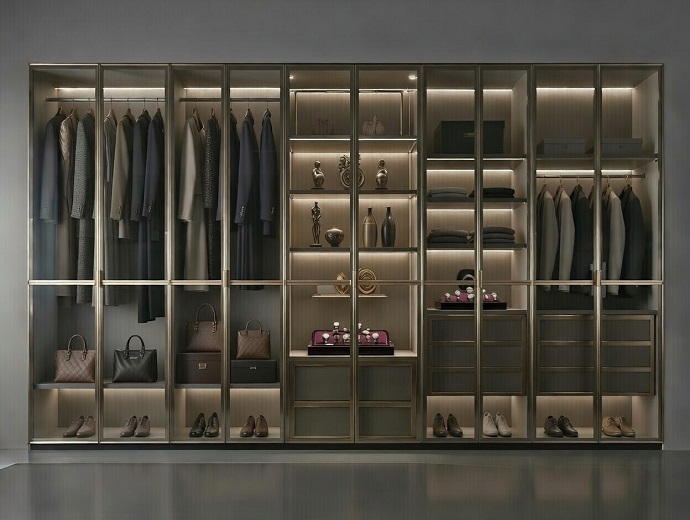
Compare aluminum, wood, and steel wardrobe frames to find the perfect balance of durability, minimalist aesthetics, and long-term value.

Comparing aluminum, wood, and steel for wardrobe and closet frames. Discover which material offers the best durability, aesthetics, and value for modern furniture in 2026.

Sincere invitaion of all to attend our exhibition on march 28 to 31, 2026, at the China Import and Export Fair Complex in Guangzhou.
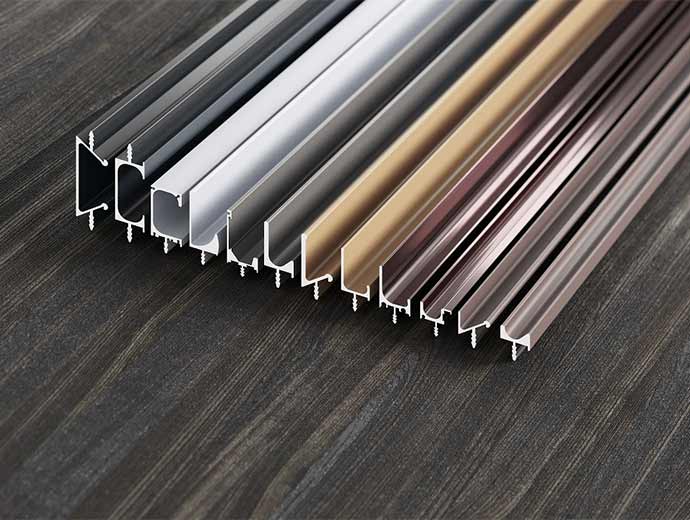
In interior design, we often fixate on the showstopping elements: marble waterfall islands, statement lighting fixtures, and wide-plank oak flooring. Yet ask any leading designer what truly elevates a standard home to a custom, thoughtfully curated space, and they’ll direct you to the small details—above all, to the hardware. If you’re here, you’ve moved beyond […]
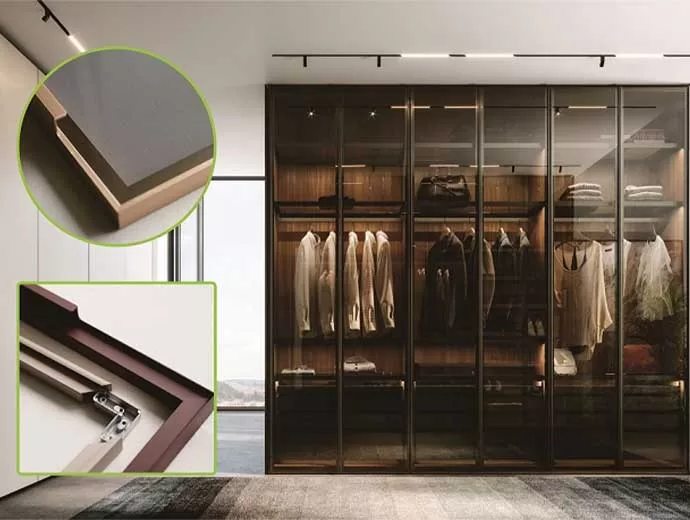
In interior design, we often fixate on the most eye-catching elements: marble waterfall islands, statement lighting, and wide-plank oak floors. Yet any top designer will tell you the real difference between a standard home and a truly custom space lies in the details. Above all else, it’s the hardware. If you’re reading this, you’ve already […]
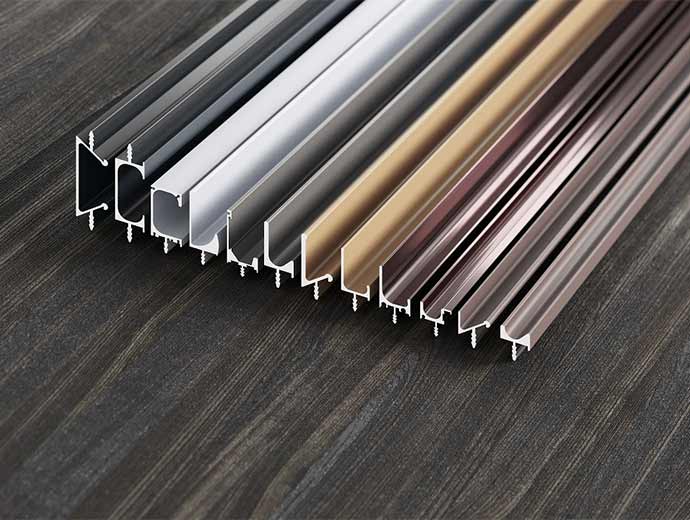
In the hierarchy of interior design, few elements are as undervalued—and as impactful—as the humble pull handle. It is the first thing your hand touches when you enter a room, the glint of light across a kitchen run, and the final detail that can either elevate a space or relegate it to “builder-grade” obscurity. We […]
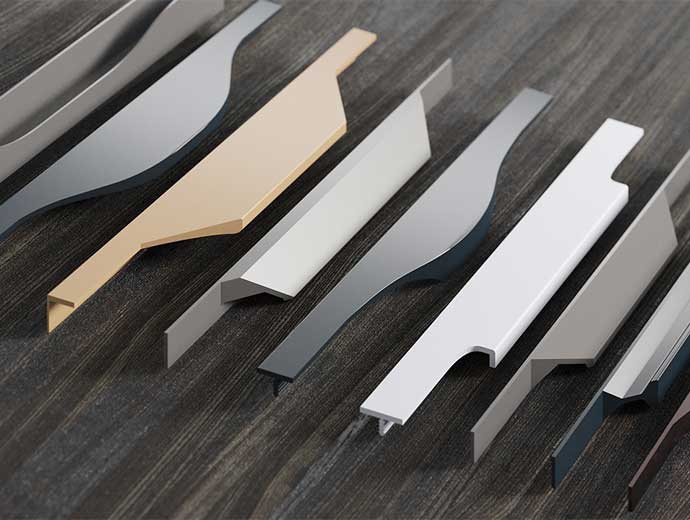
In the world of interior design, we often talk about big-ticket items: the marble island, the statement lighting, the wide-plank oak flooring. But ask any top designer what truly defines a space, and they’ll point to the details. Specifically, they’ll point to the hardware. If you’re reading this, you’re likely past the basic “knobs vs. […]
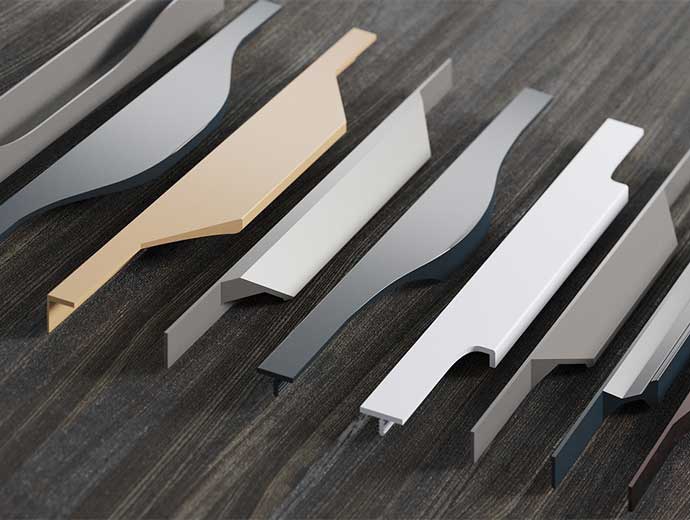
Modern home design in 2027 centers simplicity, sustainability, and tactile minimalism—shifting attention from ostentatious hardware to subtle, functional touches that blend seamlessly with cabinetry and furniture. This evolution has catapulted aluminum profile handles into the spotlight as a go-to hardware solution for both homeowners and interior designers. Key 2027 Interior Trends Driving Aluminum Profile Handle […]
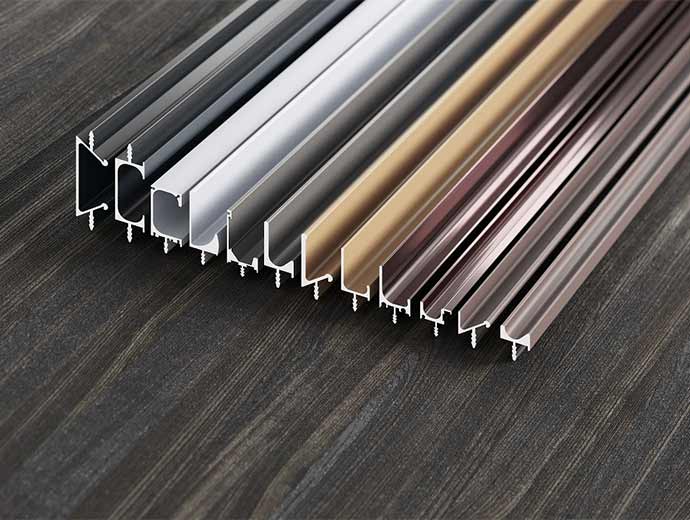
Aluminum profile handles are lightweight, durable, corrosion-resistant, and cost-effective hardware, growing in popularity for cabinetry, furniture, and industrial enclosures in 2027. This guide breaks down key considerations to help you select the ideal handle that balances functionality, style, and long-term performance. 1. Match Handle to Application and Aluminum Profile Type Before shopping, clarify your handle’s […]
Aluminum profile handles are lightweight, durable, and sleek hardware solutions that blend uncompromising functionality with modern, adaptable aesthetics. This guide explores their technical and design advantages, offers actionable, globally accessible integration tips for kitchen cabinets, bathroom vanities, wardrobes, and office furniture, covers 2027 installation best practices, and highlights emerging material and finish trends. Aluminum profile […]
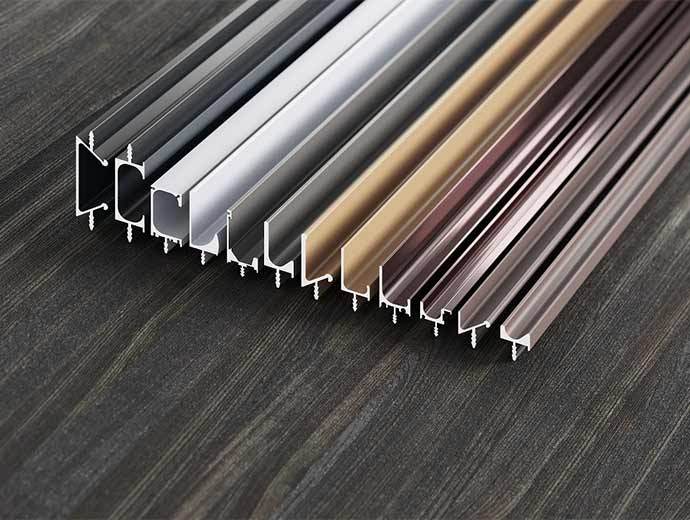
Aluminum Handle for Kitchen Cabinet: The Smart Fusion of Modern Design and Enduring Strength Aluminum Handle for Kitchen Cabinet The kitchen cabinet handle is more than a tool; it is the handshake of the home, the point where design intention meets daily life. In this crucial intersection, material choice becomes paramount. Among the various options […]
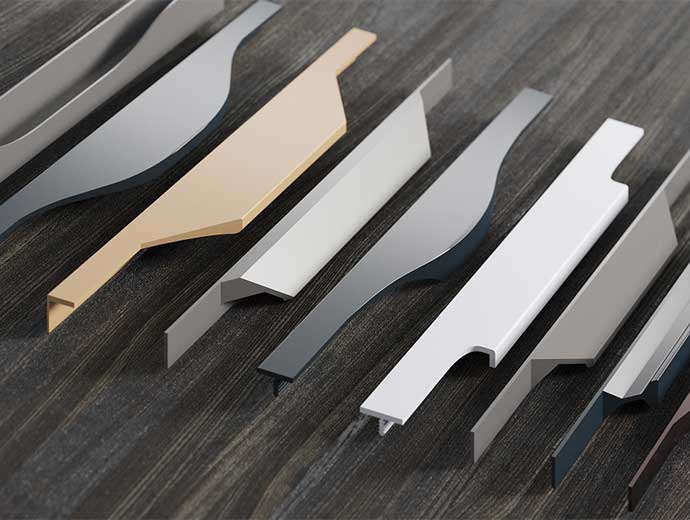
Wholesale Cabinet Handles: Partnering with Precision for Scalable Elegance Wholesale Cabinet Handles In the interconnected world of high-volume kitchen manufacturing, bespoke cabinetry, and large-scale residential or hospitality developments, the selection of hardware is a decision that reverberates far beyond a single installation. For businesses that operate at scale—from cabinet manufacturers and architectural woodworkers to luxury […]
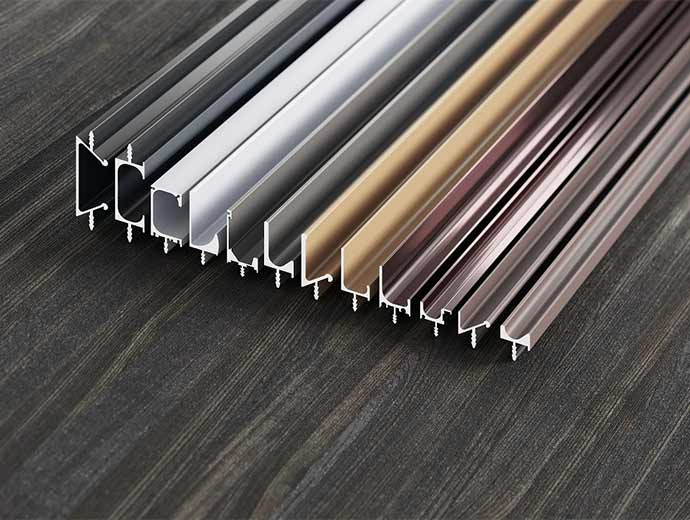
Cabinet Door Pull Handles: The Essential Link Between Form and Function Cabinet Door Pull Handles In the intricate composition of a kitchen or any finely crafted space, details are not merely decorative accents; they are the fundamental language of design. Among these, cabinet door pull handles hold a position of singular importance. They are the definitive point […]
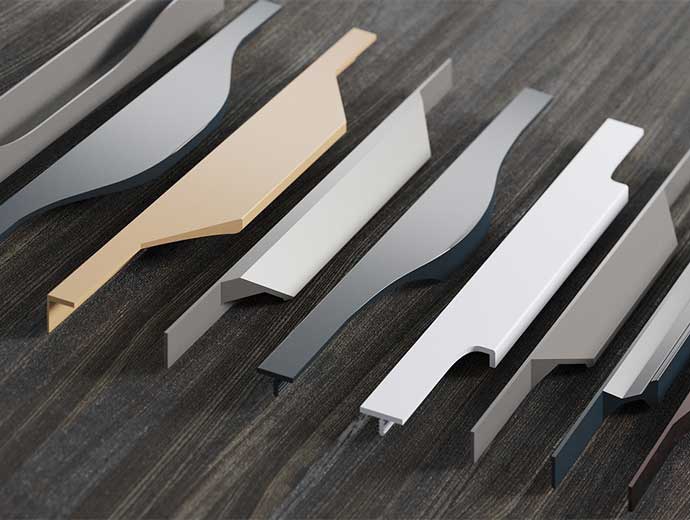
Cabinet Handle Manufacturers: The Unseen Architects of Functional Beauty Cabinet Handle Manufacturers In the meticulously crafted world of interior design and high-end cabinetry, every visible element receives careful consideration. Yet, behind the seamless integration of style and utility lies a critical partnership with the industry’s true architects of detail: cabinet handle manufacturers. These specialized entities are […]
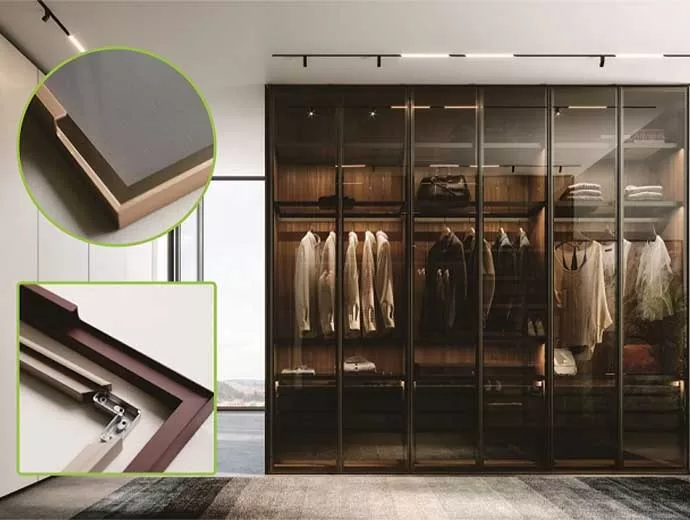
Custom Cabinet Handles: The Defining Touch of Personalized Kitchen Elegance Custom Cabinet Handles In the heart of every home, the kitchen stands as a testament to both function and style. While grand layouts and premium appliances often capture initial attention, it is the subtle, tactile details that truly complete the narrative of a space. Among […]
Cabinet Handles for Sale: Your Guide to Selecting Lasting Quality with Mebel-alu Cabinet Handles for Sale The search for the perfect finishing touch for your cabinetry often begins with a simple query: cabinet handles for sale. This search reveals a vast and varied marketplace, from mass-produced options to artisanal creations. With so many choices available, the […]
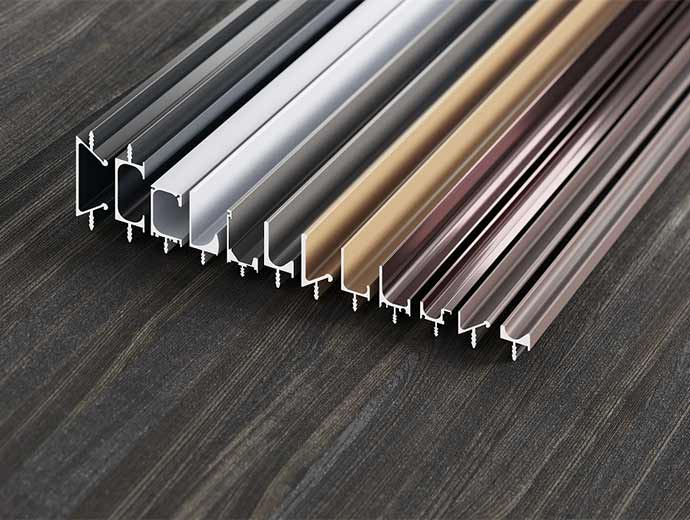
Kitchen Cabinet Hardware Suppliers: The Critical Choice Behind Every Beautiful Kitchen Kitchen Cabinet Hardware Suppliers In the journey of designing or renovating a kitchen, immense attention is given to cabinetry, countertops, and appliances. Yet, the final touch—the hardware that brings it all to life—often hinges on a crucial, behind-the-scenes decision: the choice of kitchen cabinet hardware […]
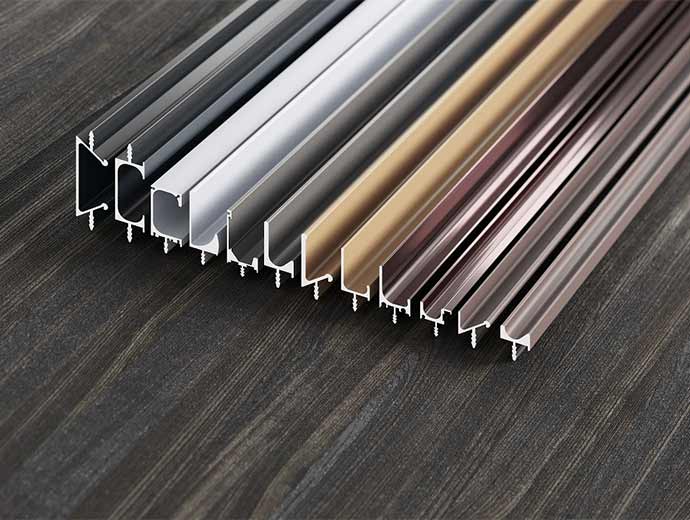
Custom Cabinet Pulls: Your Signature of Style with Mebel-alu Custom Cabinet Pulls In the world of interior design, true personalization lies not just in the grand statements, but in the curated details that speak uniquely to you. While cabinets form the canvas of your kitchen, bathroom, or living space, it is the hardware—the final point […]
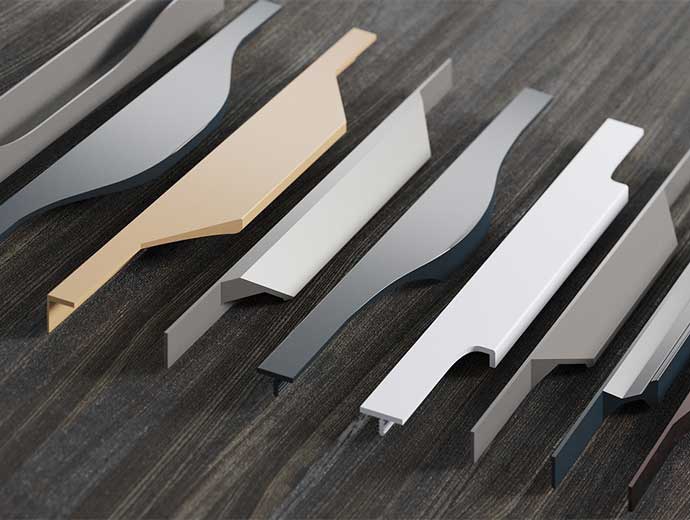
Popular Kitchen Cabinet Handles: Blending Trends with Timeless Quality by Mebel-alu Popular Kitchen Cabinet Handles The kitchen is more than a place for cooking; it’s the heart of the home, a space for connection, creativity, and comfort. Within this space, every element contributes to the overall atmosphere, and few details are as simultaneously functional and […]
Aluminium Cabinet Handle: The Signature of Modern Design by Mebel-alu Aluminium Cabinet Handle In the world of interior design, it’s often the smallest details that make the most profound statement. While we lavish attention on countertops, cabinet finishes, and appliances, there is a subtle yet powerful element that ties everything together: the cabinet handle. More […]
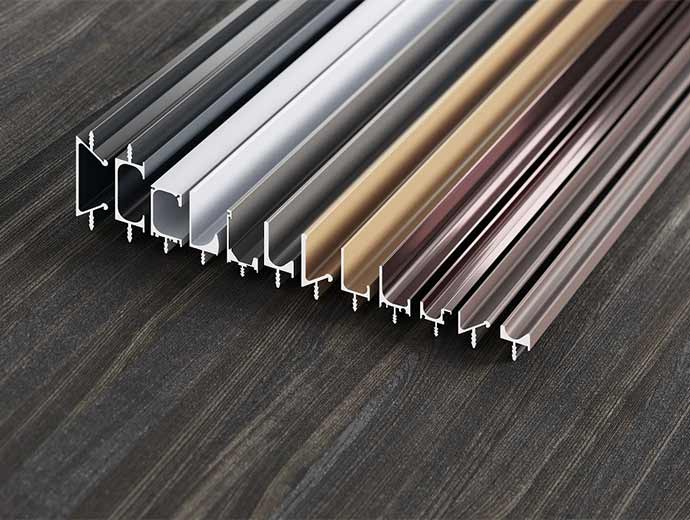
Kitchen Cabinet Edge Pulls: Defining Modern Functionality with Mebel-alu Kitchen Cabinet Edge Pulls In the evolving landscape of kitchen design, where seamless aesthetics meet daily utility, the details that define functionality become paramount. Among these, the choice of how we open our cabinetry is undergoing a thoughtful revolution. Moving beyond traditional knobs or centered bar […]
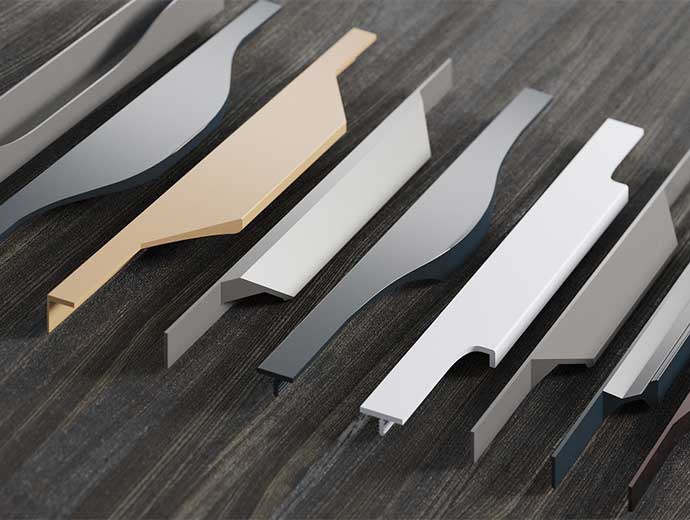
Flat Cabinet Handles: The Seamless Signature of Modern Design by Mebel-alu Flat Cabinet Handles In the pursuit of a truly cohesive and contemporary interior, the quest for clean lines and unbroken surfaces reigns supreme. This design ethos, celebrated in minimalist, modern, and Scandinavian styles, demands that every element contribute to a sense of calm and […]
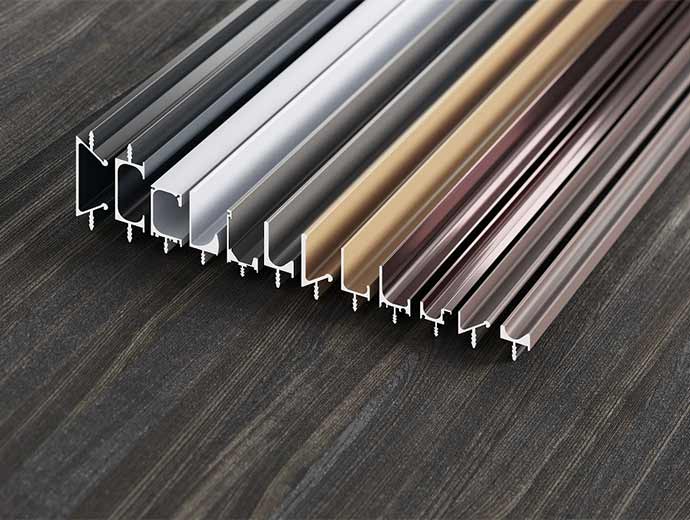
Small Cabinet Handles: The Art of Detail in Compact Design by Mebel-alu Small Cabinet Handles In the grand scheme of interior design, it is often the smallest elements that carry the most significant weight in defining a space’s character. While large furniture pieces establish form and function, the finishing details whisper the final, decisive word […]
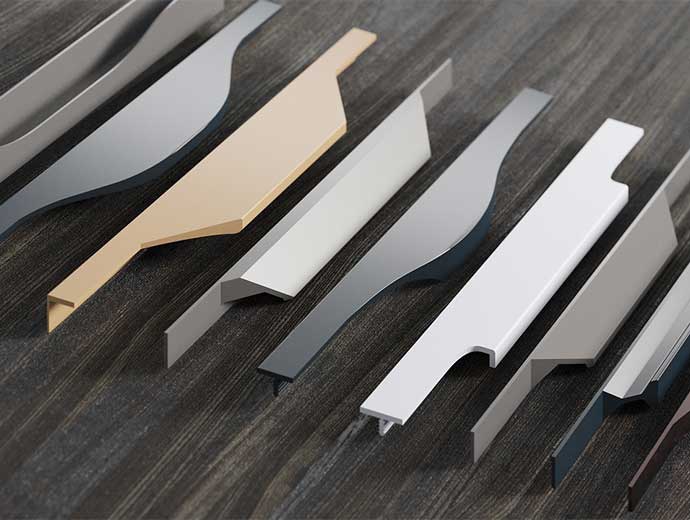
Modular Kitchen Cabinet Handles: The Perfect Finish for Your Flexible Culinary Space Modular Kitchen Cabinet Handles The modular kitchen has revolutionized home design, offering unparalleled flexibility, efficiency, and a clean, contemporary aesthetic. This intelligent approach to cabinetry allows homeowners to customize layouts, maximize storage, and adapt their space to evolving needs. Yet, the true completion […]
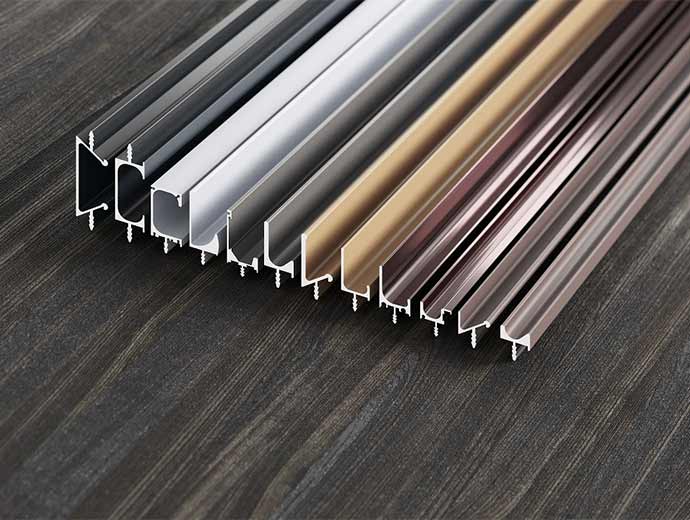
Aluminum Cabinet Handle: Where Modern Design Meets Enduring Strength by Mebel-alu Aluminum Cabinet Handle In the world of interior design and furniture craftsmanship, the smallest details often make the most significant impact. Among these, the humble cabinet handle plays a surprisingly pivotal role. It is the point of contact between user and furniture, a defining […]
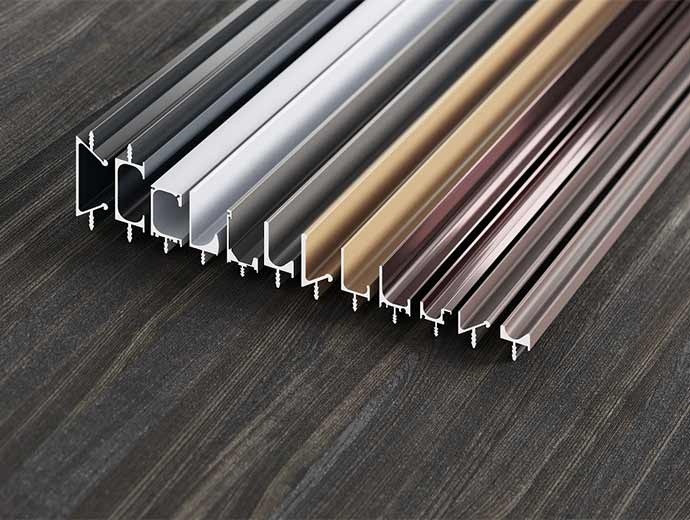
Finger Edge Pull: The Epitome of Integrated Design by Mebel-alu Finger Edge Pull In the pursuit of architectural purity and minimalist elegance in interior design, the quest to reduce visual noise leads to a fascinating paradox: how do you open a cabinet without a visible handle? The answer lies in a detail so subtle, so […]
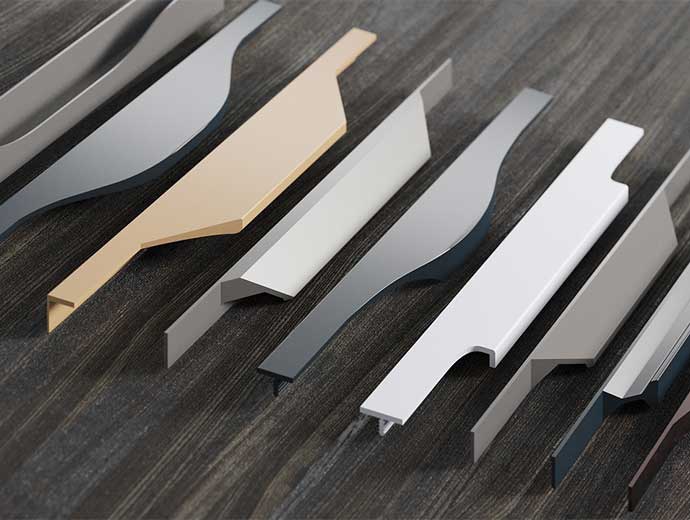
Modern Cabinet Door Handles: The Art of Intelligent Simplicity by Mebel-alu Modern Cabinet Door Handles In contemporary interior design, every element is a conscious decision in service of a cohesive vision. Walls become canvases of texture and light, furniture transforms into functional sculpture, and space itself is curated for flow and feeling. Within this carefully […]
Luxury Cabinet Handles: The Defining Signature of Bespoke Interiors by Mebel-alu Luxury Cabinet Handles In the realm of high-end interior design, true luxury is not announced; it is discovered in the details. It is felt in the weight of a door, seen in the play of light on a flawless surface, and experienced in the […]
Bathroom Cabinet Door Handles: Where Elegance Meets Everyday Resilience by Mebel-alu Bathroom Cabinet Door Handles The bathroom is a sanctuary. It’s a space for renewal, relaxation, and quiet moments at the start and end of each day. Every element within it contributes to the overall atmosphere, from the lighting to the fixtures. Among these, cabinet […]
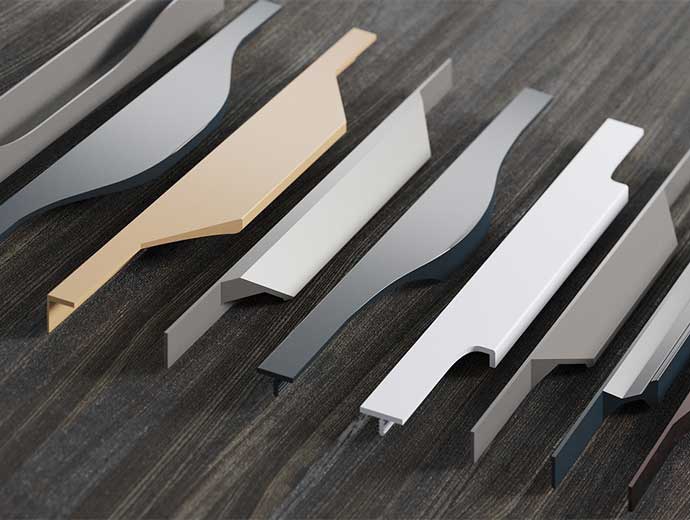
Cabinet Finger Pull Handles: The Elegant Fusion of Form and Function by Mebel-alu Cabinet Finger Pull Handles In the world of modern interior design, especially within the kitchen and bathroom, the quest for a seamless, streamlined aesthetic is paramount. The clean lines, unbroken surfaces, and minimalist appeal define contemporary spaces. This pursuit has led to […]
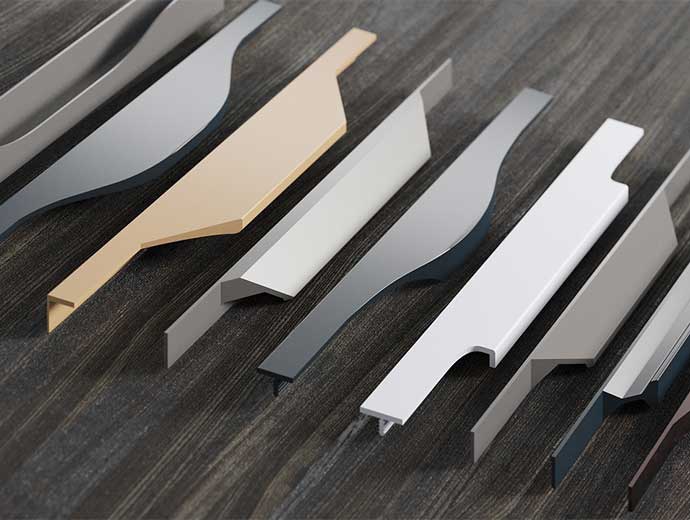
Handles for Cabinets and Drawers: The Essential Touchpoint of Design and Function Handles for Cabinets and Drawers In the intricate tapestry of interior design, particularly within the heart of the home—the kitchen and beyond—the significance of hardware is often profound yet quietly understated. Handles for cabinets and drawers represent far more than simple mechanisms for […]
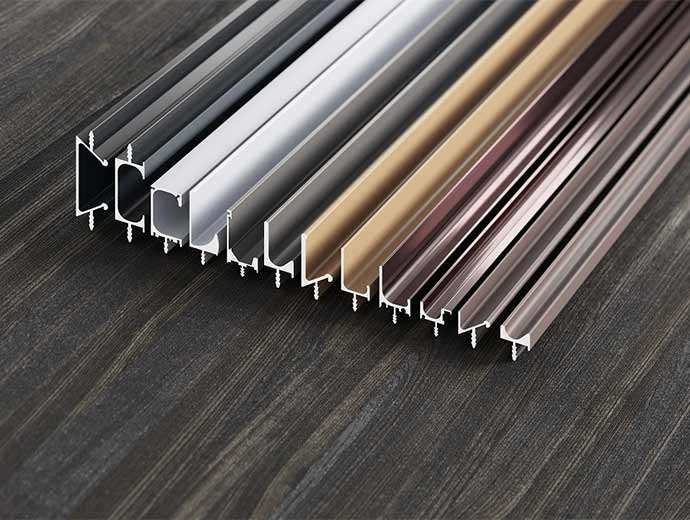
Profile Handles for Kitchen Cabinets: The Architectural Edge of Modern Design Profile Handles for Kitchen Cabinets In the pursuit of a truly cohesive and intentional kitchen design, every element must contribute to a unified whole. While color, texture, and layout form the foundation, it is often the subtle, three-dimensional details that complete the architectural narrative. […]
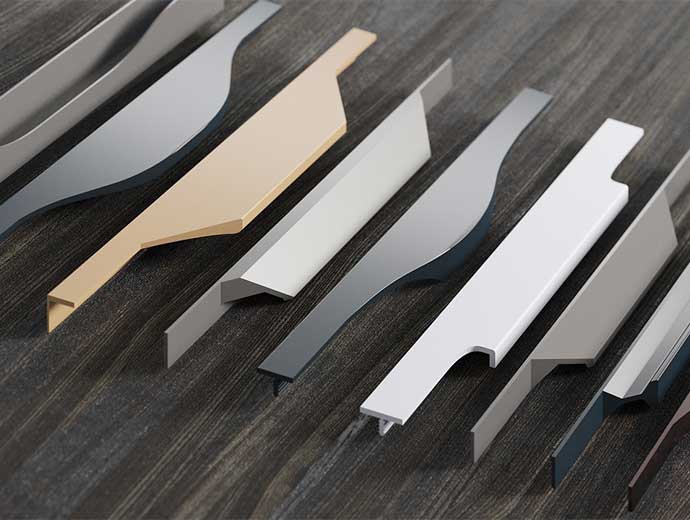
Modern Kitchen Cabinet Pulls: The Art of Minimalist Functionality Modern Kitchen Cabinet Pulls In the evolving narrative of kitchen design, the modern aesthetic stands as a testament to the power of “less is more.” It is a philosophy that strips away the ornate to celebrate clean lines, thoughtful functionality, and the intrinsic beauty of materials. […]
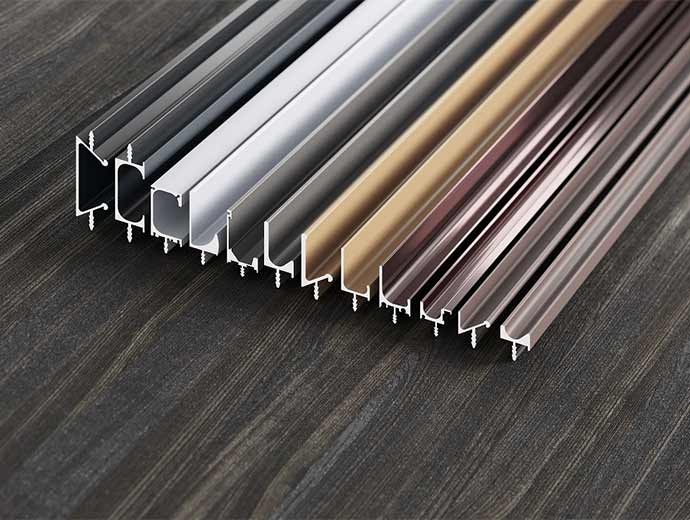
Kitchen Cabinet Pull Handles: Defining Style and Ensuring Function Kitchen Cabinet Pull Handles In the heart of the home, where functionality meets family, every detail contributes to the overall harmony and efficiency of the space. While cabinetry forms the shell of your kitchen’s storage, it is the kitchen cabinet pull handles that give it life, […]
Kitchen Cabinet Door Pulls: The Unsung Heroes of Your Dream Kitchen Kitchen Cabinet Door Pulls When designing or renovating a kitchen, our focus often zooms in on the grand elements: the countertops, the cabinets, the appliances. Yet, nestled between these significant features lies a detail so crucial it can make or break the entire aesthetic […]
Cabinet Drawer Handles Cabinet Drawer Handles In the architecture of a living space, cabinet drawer handles are the definitive touchpoint. They are the first point of contact, the detail the hand seeks intuitively, and the finishing note that completes a room’s composition. Far more than utilitarian hardware, they are the jewelry of furniture—a subtle yet […]
Modern Edge Pulls Modern Edge Pulls In the evolving narrative of interior design, where clean lines and uncluttered spaces reign supreme, the pursuit of modernity is defined not by grand gestures, but by meticulous refinement. It is found in the elimination of the superfluous and the elevation of the essential. At Mebel-alu, a visionary brand […]
Cabinet and Drawer Pulls Cabinet and Drawer Pulls In the anatomy of fine furniture, cabinet and drawer pulls are more than mere hardware; they are the handshake between design and dweller, the tactile punctuation in a sentence of style. At Mebel-alu, a brand dedicated to pioneering the future of aluminum furniture, we regard these essential […]
Cabinet Edge Pulls Cabinet Edge Pulls In the architectural symphony of a well-designed room, cabinetry provides the foundational rhythm. It offers structure, storage, and defines spatial character. Yet, it is the hardware—the precise point of human interaction—that composes the melody. At Mebel-alu, where innovation in aluminum furniture meets timeless design, we believe the choice of […]
J Profile Handle J Profile Handle In the world of modern furniture, where minimalist design meets robust functionality, the smallest details often make the most significant impact. At Mebel-alu, a brand synonymous with innovation and quality in aluminum furniture, we understand this principle intimately. One such detail, the unassuming yet crucial J profile handle, exemplifies our […]
Cabinet Pull Handles: The Mebel-alu Synthesis of Precision and Design Cabinet Pull Handles In the detailed architecture of interior spaces, from the kitchen to the home office, it is the subtle, recurring elements that often define the character of a room. Among these, cabinet pull handles stand as silent sentinels of style and functionality. They are the […]
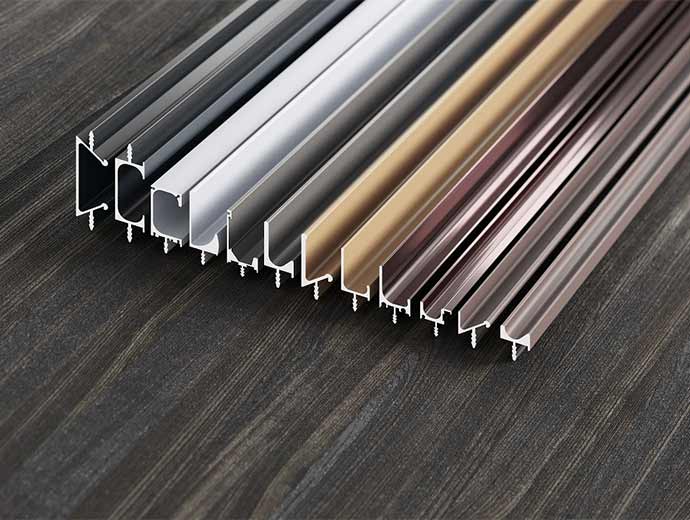
Modern Cabinet Handles: Defining the Contemporary Kitchen with Mebel-alu Modern Cabinet Handles The philosophy of modern design is rooted in the principles of simplicity, functionality, and clean aesthetics. It’s a style that strips away the superfluous to highlight the essential beauty of form, material, and space. In a contemporary kitchen or living area, where this […]
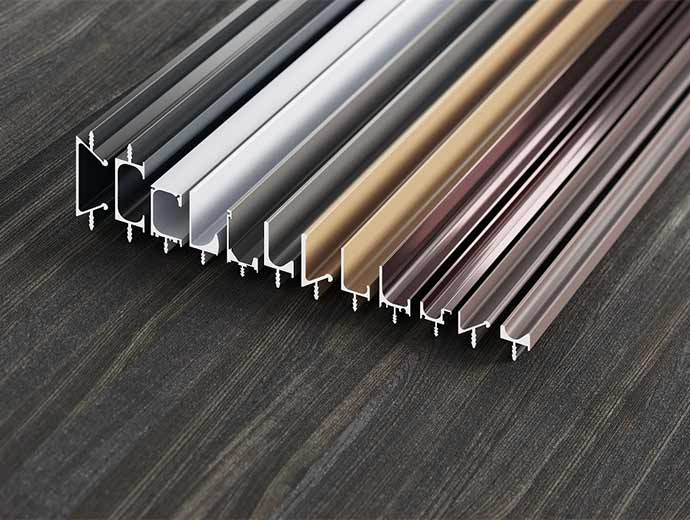
Kitchen Cabinet Door Handles: The Defining Touch by Mebel-alu Kitchen Cabinet Door Handles The kitchen is the heart of the home—a place of creation, conversation, and connection. Within this space, every element contributes to the overall atmosphere, from the countertops to the lighting. Yet, one of the most expressive and frequently interacted-with features is often […]
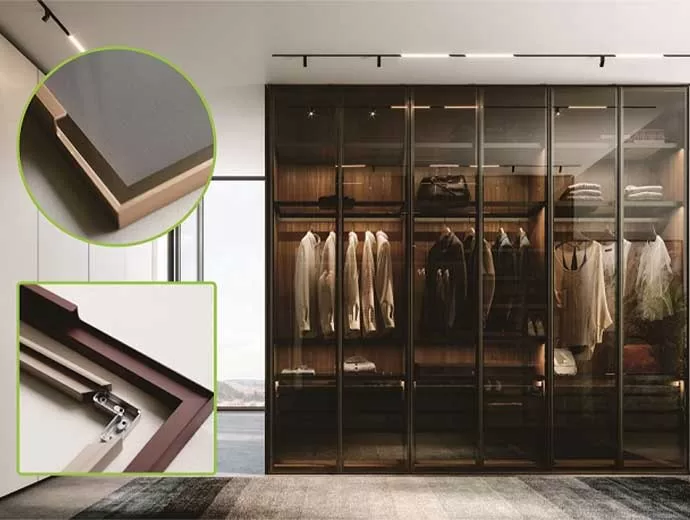
Aluminium Handle Manufacturers: The Unseen Artistry of Mebel-alu Aluminium Handle Manufacturers In the world of furniture and interior design, we often celebrate the grand elements: the sweeping curve of a sofa, the rich grain of a wood tabletop, or the bold color of a cabinet. Yet, it is frequently the smallest components that dictate the […]
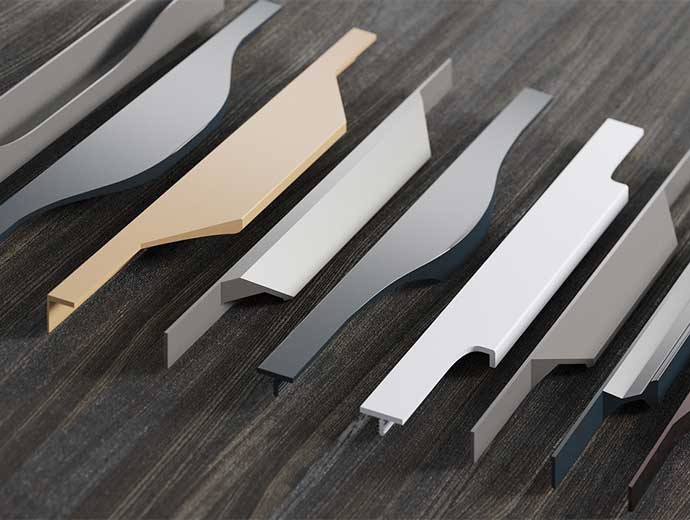
Furniture Handle Factory: The Mebel-alu Standard of Craftsmanship and Scale Furniture Handle Factory In the intricate ecosystem of furniture manufacturing, every component plays a vital role. While the spotlight often falls on the wood, the laminates, or the overall design, it is the hardware—the final touchpoints—that truly complete the user experience. Behind every smooth-gliding drawer […]
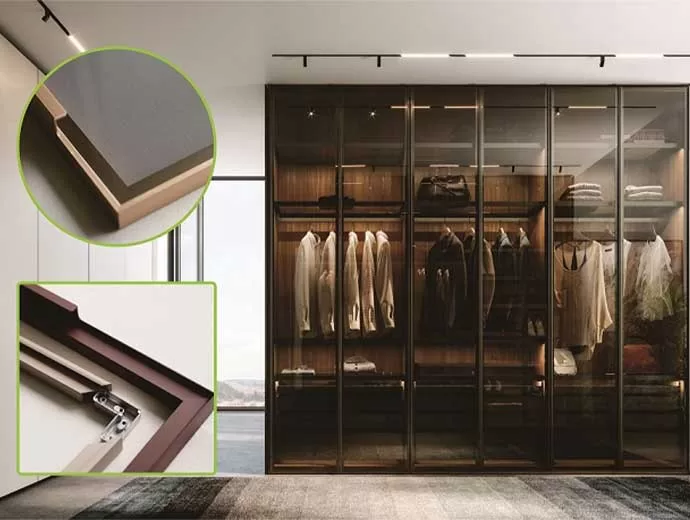
Pull Handle Aluminium: Mebel-alu’s Signature in Modern Hardware Pull Handle Aluminium In the detailed landscape of furniture design, where every element contributes to the overall narrative, the pull handle plays a pivotal role. It is the point of physical interaction, the detail that guides the hand and defines the user’s tactile experience. When this essential […]
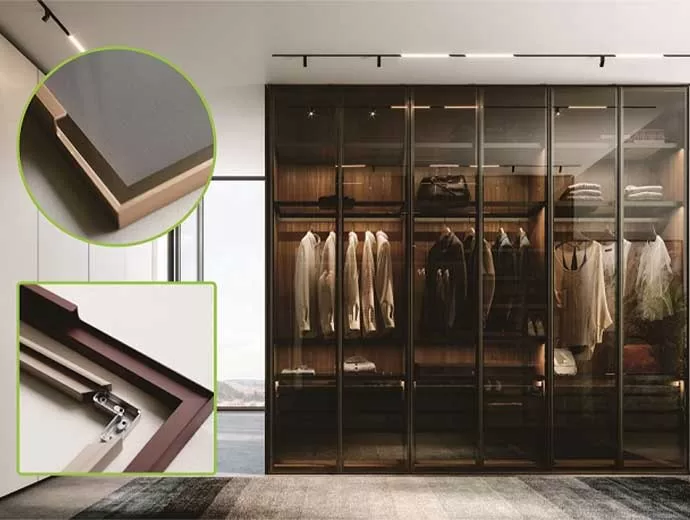
Aluminum Alloy Handles: The Mebel-alu Standard for Modern Furniture Aluminum Alloy Handles In the realm of furniture design and hardware, the choice of material is not merely a technical consideration—it is the foundation upon which beauty, durability, and user experience are built. Among the various options available, aluminum alloy has emerged as a premier material, […]
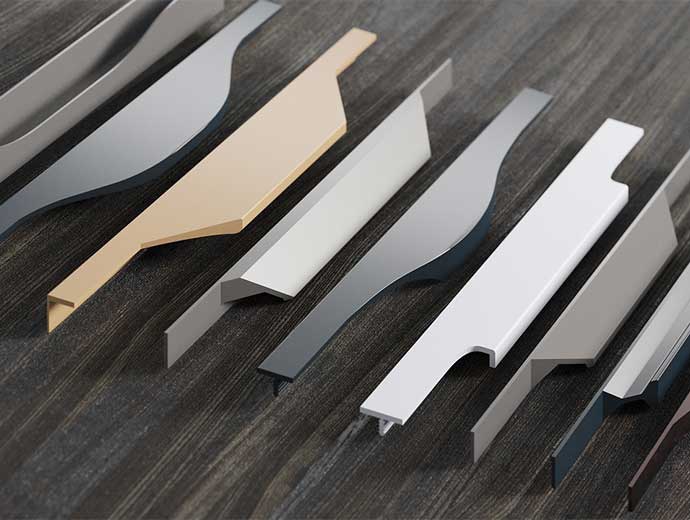
Furniture Handle Manufacturer: Mebel-alu – Defining Spaces with Precision and Style Furniture Handle Manufacturer In the world of furniture design, the smallest details often make the most significant impact. While the structure, material, and finish of a cabinet or drawer are fundamental, it is the hardware—the handles—that truly complete the piece, defining its character and […]
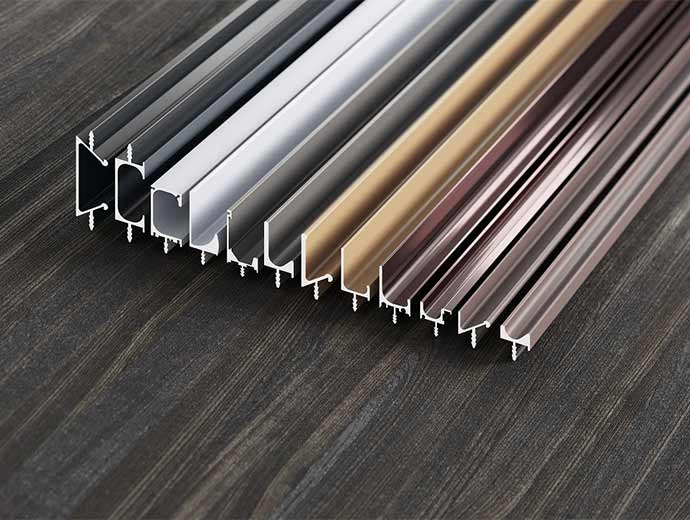
Furniture Handle Supplier: Mebel-alu – Your Partner in Quality and Design Furniture Handle Supplier In the intricate world of furniture creation and interior design, every component matters. While the primary structure of a cabinet or drawer defines its form, it is the hardware—the handles—that truly completes its function and character. These essential elements are the […]
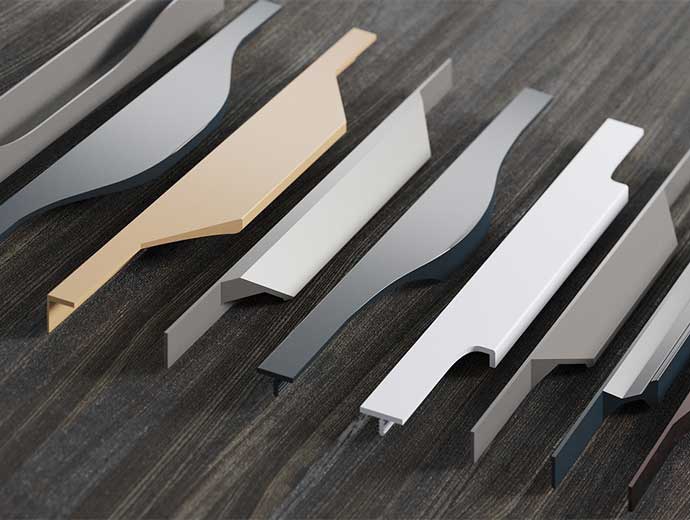
Pull Handle Manufacturer: Mebel-alu – Crafting the Perfect Touch for Modern Interiors Pull Handle Manufacturer In the world of furniture and interior design, the smallest details often make the most significant impact. Among these details, pull handles stand as unsung heroes, bridging the gap between functionality and aesthetic appeal. As a leading pull handle manufacturer, Mebel-alu […]
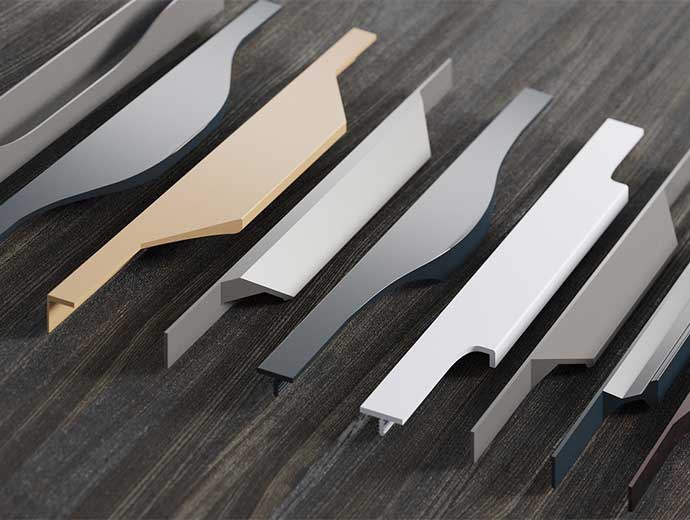
Aluminium Kitchen Door Handles: The Smart Choice for Lasting Beauty and Performance Aluminium Kitchen Door Handles The kitchen is a symphony of choices, where every element, from the largest appliance to the smallest detail, contributes to the final harmony. Among these details, the humble door handle plays a surprisingly crucial role. It is the most […]
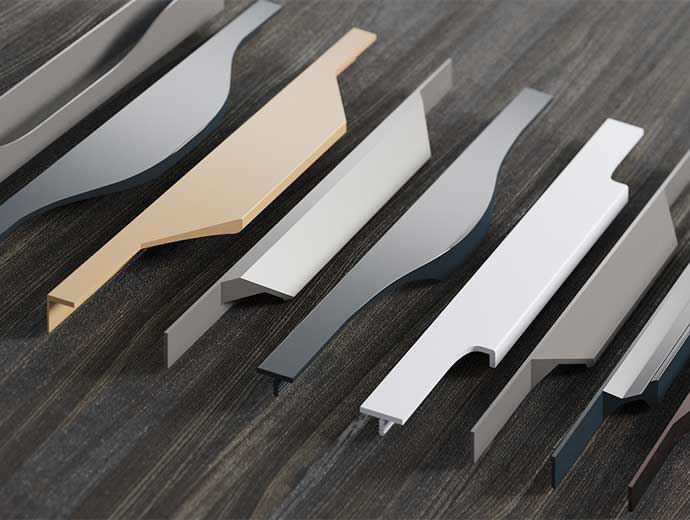
The Aluminum Glass Door Handle: Where Modern Elegance Meets Structural Integrity The Aluminum Glass Door Handle In the realms of contemporary architecture and interior design, few pairings are as iconic as aluminum and glass. This combination speaks a language of lightness, transparency, and clean lines. Yet, the point where these two materials meet—specifically at the […]
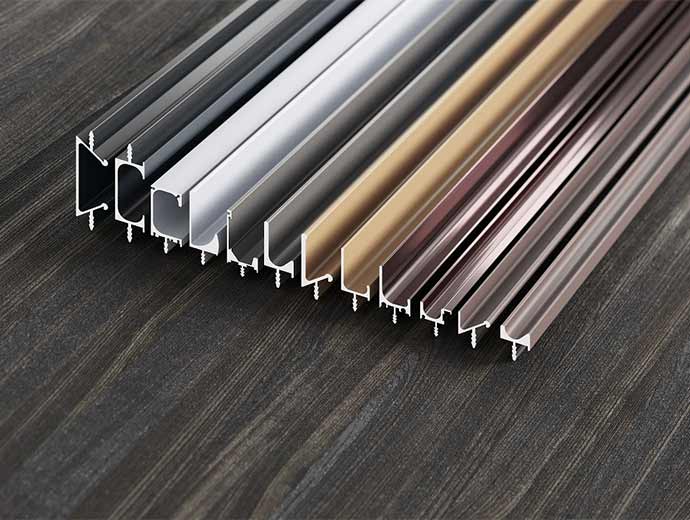
Kitchen Aluminium Profile Handle: The Modern Designer’s Choice for Form and Function Kitchen Aluminium Profile Handle In the world of kitchen design, where every detail contributes to the overall aesthetic and experience, the choice of hardware is paramount. Moving beyond the conventional, a new standard has emerged for those seeking a seamless blend of contemporary […]
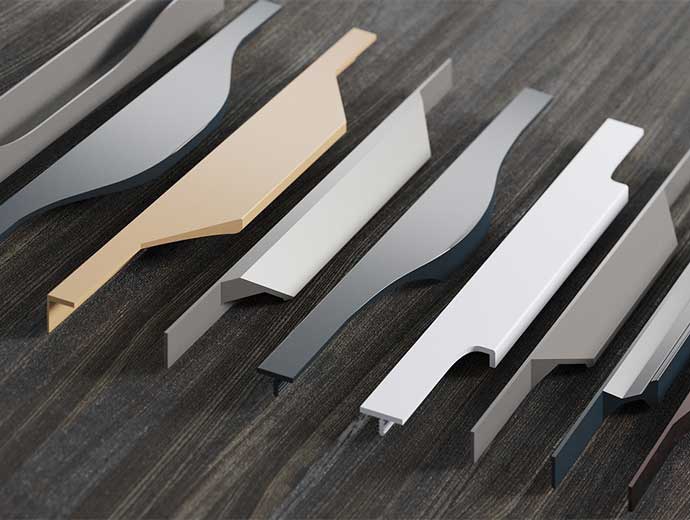
Kitchen Counter Handles: The Definitive Touchpoint for Style and Function Kitchen Counter Handles The kitchen counter is the heart of the home—a stage for meal preparation, casual conversations, and morning coffee. Every element on this stage matters, from the countertop material to the appliances. But one detail, often overlooked, plays a surprisingly pivotal role in […]
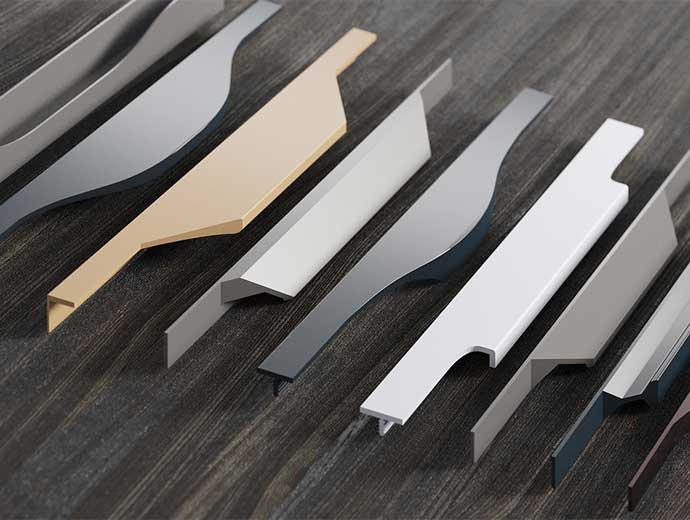
Your Ultimate Guide to Choosing Kitchen Handle Suppliers for a Flawless Finish kitchen handle suppliers The devil is in the details, and nowhere is this truer than in kitchen design. While we meticulously select cabinets, countertops, and appliances, the humble kitchen handle often doesn’t get the spotlight it deserves. Yet, these small hardware pieces are […]
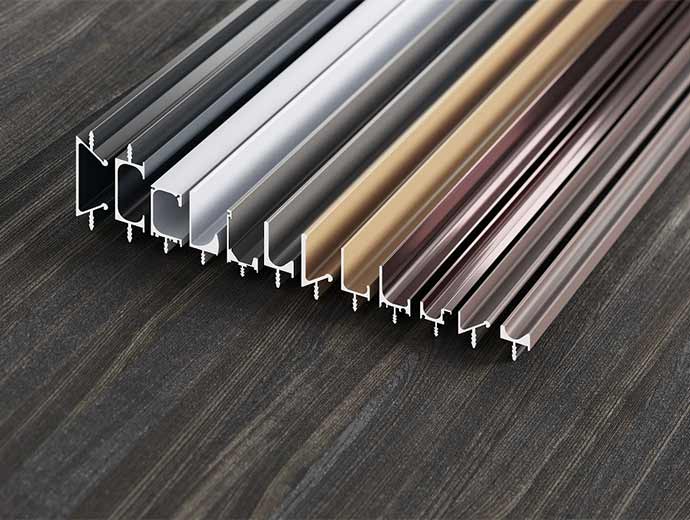
Aluminium Kitchen Handles: Where Lasting Performance Meets Modern Elegance Aluminium Kitchen Handles The kitchen is more than just a room; it is the bustling heart of the home, a place of creation, connection, and daily life. In this dynamic environment, every element must strike a careful balance between enduring style and unwavering resilience. Among these […]
Furniture Pull Handles: The Art of Detail in Design and Daily Life Furniture Pull Handles In the world of interior design and furniture craftsmanship, the most profound statements are often made not by the grandest elements, but by the smallest. Furniture pull handles are a testament to this truth. These unassuming components, the points where […]
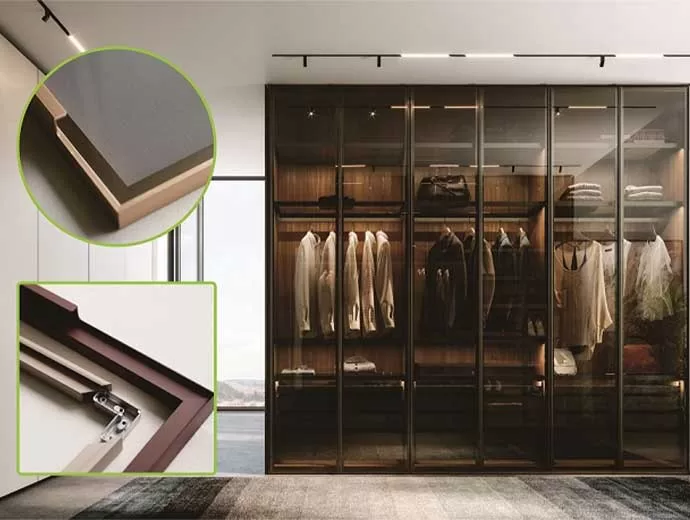
Modern Furniture Handles: The Defining Touch in Contemporary Design Modern Furniture Handles In the narrative of a well-designed space, every element contributes to the story. The sweep of a floor, the texture of a wall, the silhouette of a sofa—all play their part. Yet, it is often the most intimate and frequently touched details that […]
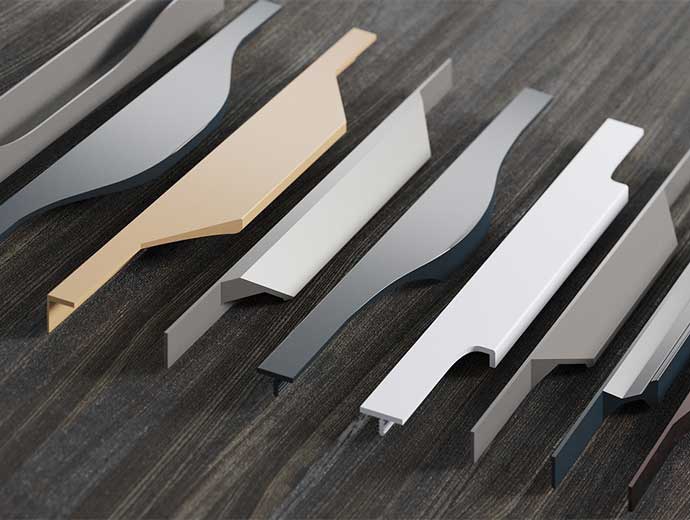
Aluminum Pull Handles: The Perfect Fusion of Strength and Style for Modern Interiors Aluminum Pull Handles In the meticulous craft of furniture design, every component tells a story. While the broad surfaces of a cabinet or the frame of a drawer capture initial attention, it is the subtle, tactile details that truly define the user’s […]
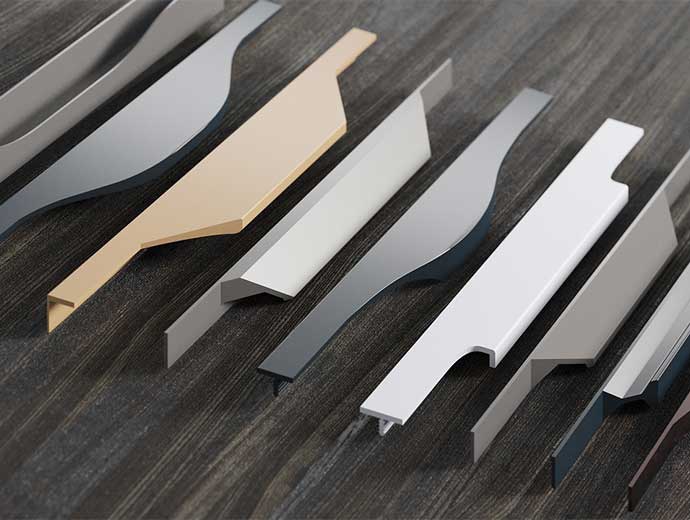
Modern Pull Handles: The Unsung Heroes of Contemporary Furniture Design Modern Pull Handles In the world of interior design, it’s often the smallest details that make the most significant impact. While we lavish attention on color palettes, material textures, and statement furniture pieces, there is a subtle yet powerful element that bridges the gap between […]
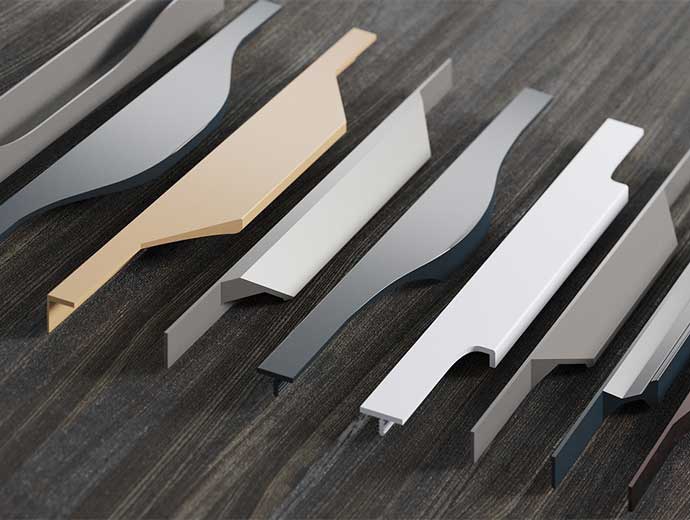
The Aluminium Pull Handle: Defining Elegance and Durability in Modern Interiors The Aluminium Pull Handle In the intricate world of furniture design, where every detail contributes to the overall narrative of a space, few elements are as crucial as the pull handle. It is the bridge between user and furniture, a point of daily interaction […]
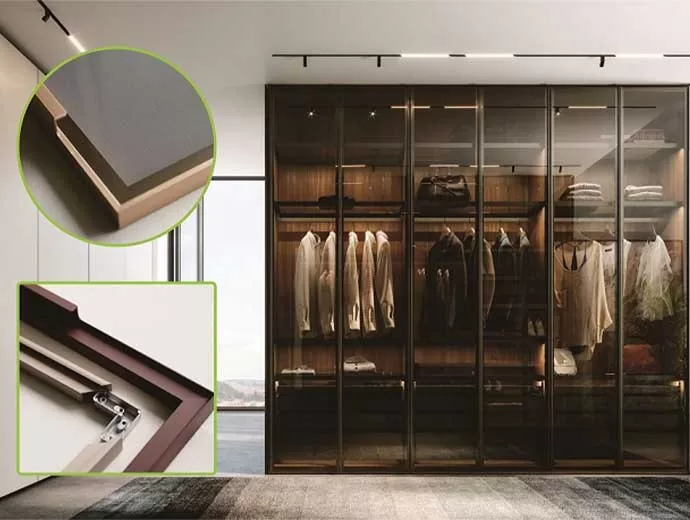
Kitchen Furniture Handles: The Ultimate Guide to Elevating Your Culinary Space Kitchen Furniture Handles The kitchen is the heart of the home—a place of creation, conversation, and cherished daily rituals. While we meticulously select cabinets, countertops, and appliances, there is one element that often doesn’t receive the attention it truly deserves: the kitchen furniture handles. […]
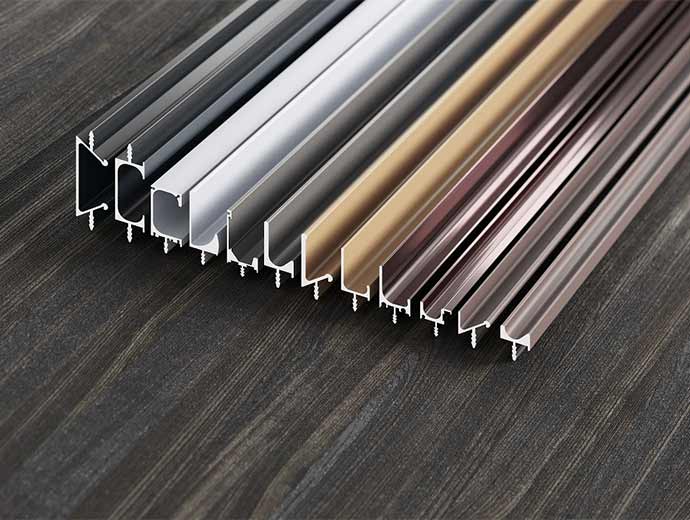
Kitchen Pull Handle: The Subtle Art of Defining Your Culinary Space Kitchen Pull Handle The heart of the home is undoubtedly the kitchen. It’s a place of creation, connection, and daily ritual. While we often focus on the large elements—the cabinetry, the countertops, the appliances—it is the smallest details that truly orchestrate the room’s character […]
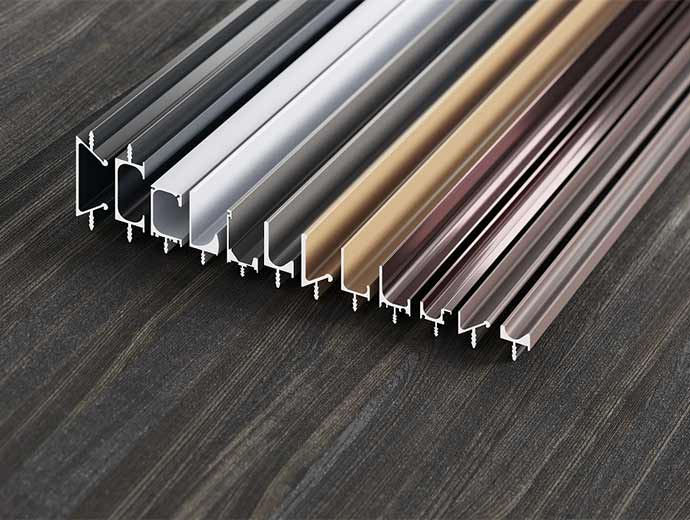
Aluminum Handles: The Definitive Guide to Modern Furniture’s Essential Detail Aluminum Handles In the meticulous world of furniture design, true luxury is found not only in the grand silhouettes but in the considered details. The elements your hand touches daily—the pulls on your kitchen cabinets, the handles on your wardrobes—serve as the functional jewelry of […]
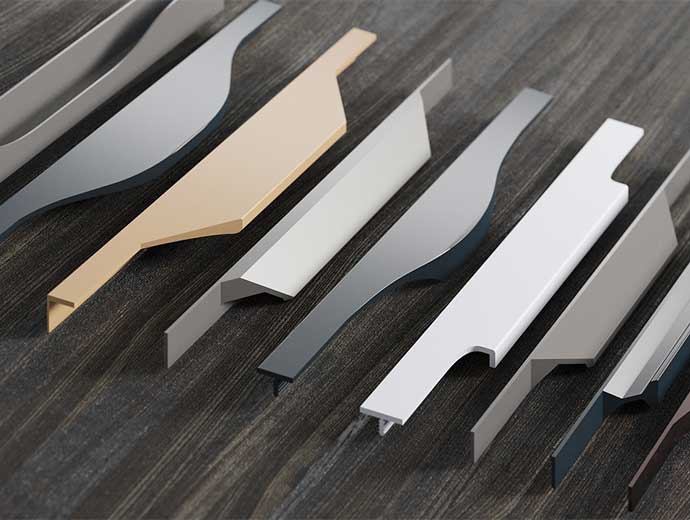
Aluminium Handles: The Unsung Heroes of Modern Furniture Design Aluminium Handles In the world of interior design, we often celebrate the grand elements: the statement sofa, the elegant dining table, or the luxurious bed frame. Yet, it is frequently the smallest details that orchestrate the symphony of a room’s aesthetic and functionality. Among these, aluminium […]

The Invitation of Mebel-alu In the 27th INTERMOB in Istanbul Turkey in Sep 25-28, 2025.

We warmly invite you to visit our booth at CIFF & Interzum (Guangzhou) 2025, taking place from 28 to 31 March 2025, at China Import and Export Fair Complex, Guangzhou.

We would like to invite you to join us at the 26th INTERMOB in Istanbul Turkey from 12 Sep to 15 Sep 2024.
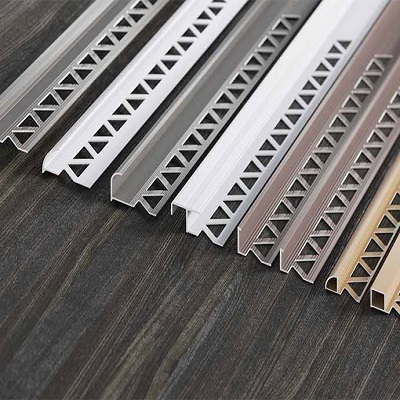
Creative tile edge trims not only provide a finished look but also protect the tile edges from damage and wear.

Sleek and handleless Gola profiles offer a streamlined look, enhancing the minimalist appeal that is highly sought after in modern kitchen designs.

Among the various materials available, aluminium profiles have emerged as a popular and advantageous option for modern kitchen cabinets.

We warmly invite you to visit our booth at CIFF & Interzum (Guangzhou) 2024

We would like to invite you to join us at the 25th INTERMOB in Istanbul Turkey from 30 Sep to 03 Oct 2023. Our booth number 514C in hall 5. We prepare our latest color chart book for all the clients. Come to see our latest products and share the ideas about the trend in […]
Contact Us